
It’s a typical evening — you want to relax, enjoy a live chat — and suddenly you get a message that sends chills down your spine: “Pay up, or all your friends, your wife, and your coworkers will see your intimate videos.” This is sexual extortion in its classic form. It happens far more often than people realize. Many reassure themselves with the thought, “That won’t happen to me,” only to then spend weeks on edge — and sometimes large sums of money — to restore their personal safety online. Preventing blackmail threats isn’t paranoia, nor is it rocket science. It’s a set of specific rules that work.
Why Protecting Yourself Against Blackmail Is Especially Important Right Now

For many men, webcam chat has become a real outlet: a tough day, stress, everyday problems — but here, you can just be yourself, without masks or obligations. Yet it’s precisely this relaxed atmosphere that sometimes backfires on the user. When emotions run high, vigilance goes out the window. Those on the other side of the camera often don’t work alone: they understand psychology, know how to quickly gain your trust, and create a sense of security. One careless moment — and the blackmail begins. According to specialized forums and response services, thousands of such cases are reported annually in the Russian-speaking segment alone. And these are only the ones who dared to speak up: most remain silent, feel ashamed, try to handle the situation on their own — and lose their money.
The main risks lurking in webcam chats
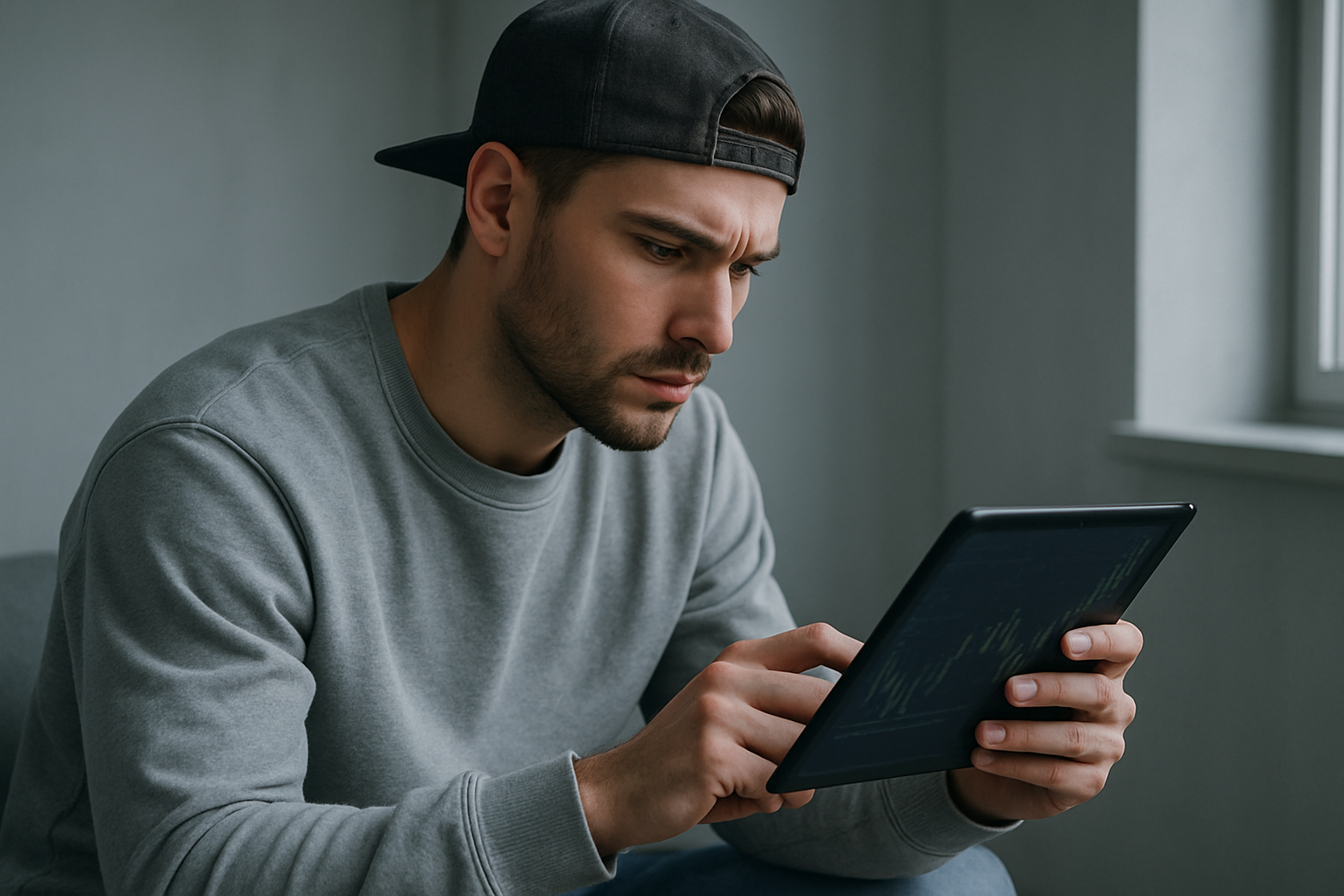
Sexual extortion almost never starts with blunt threats. First come compliments, light flirting, and requests like “show a little more” or “let’s move to private chat — it’s uncensored there.” And then it turns out that the entire session was recorded. The camera captures everything, even if it seems like the conversation isn’t being saved anywhere. Next come the threats: to send the footage to family members and coworkers, or to post it publicly. The blow lands where it hurts most — your reputation, your family, and your career.
The schemes can be more complex. Some scammers work in tandem with people who specialize in data collection: they ask you to switch to Telegram “away from prying eyes,” and there they start gathering information about you. Or they ask for “a photo showing your face to build trust” — and then use it as leverage. A classic tactic is to raise the stakes: you pay once, and a week later they demand several times as much. The psychological damage from this is often worse than the financial loss: shame, insomnia, and a loss of self-confidence. Many people avoid all online chats for months afterward.
How to Protect Yourself: A Step-by-Step Guide

Start with something simple and effective: don’t show your full face if you’re not prepared for the recording to surface somewhere. Many experienced users wear a mask, choose an angle that hides their face, or crop the frame. This significantly reduces the risks.
- Stay within the platform’s main chat — don’t switch to private messengers at the first request
- Never send money “as a gift,” “to develop your profile,” or “to continue chatting”
- Create a separate account exclusively for webcam sessions — one that’s in no way linked to your real social media accounts or email
- Enable two-factor authentication wherever possible
- Don’t save videos or chat histories: fewer digital traces mean fewer opportunities for pressure
- If you feel pressured or notice a strange turn in the conversation — log out immediately and block the other person
- Regularly check your data for leaks using services like Have I Been Pwned
- Use a VPN to hide your real IP address and make it harder to identify you
Pros and cons of a mindful approach to security

The pros are significant: enjoyment without constant underlying fear, peace of mind, and protection of your reputation and money. There’s one downside — sometimes you need to be a little more reserved and not go all out from the very first conversation. That’s a small price to pay compared to what happens when you let your guard down completely.
Common Mistakes Made by Beginners

The first and most common mistake is thinking, “She seems so sincere; nothing will happen to me.” The second is quickly switching to Telegram or WhatsApp at the other person’s request. The third is sending intimate photos “just to build trust.” The fourth is ignoring the first requests for money or personal information; the fifth is storing everything on your phone without a password or in a standard cloud service. The sixth mistake deserves special mention: returning to the same person after the first suspicious hints. Each of these steps can lead to financial losses or problems at work.
Another point that’s easy to overlook: before getting too involved in a conversation, it’s worth assessing how seriously the platform takes moderation and handling complaints. For example, on VibraGame, the reporting system allows users to quickly flag suspicious behavior — this is part of online personal safety and a real tool for preventing blackmail threats.
Comparison of Protection Tools

| Tool | Pros | Cons | When to Use |
|---|---|---|---|
| VPN | Hides your IP address, encrypts traffic | May slightly reduce connection speed | Before every chat session |
| A separate account | Complete disconnect from real life | You have to remember extra passwords | For all webcam sessions |
| Two-factor authentication | Makes it much harder to hack the account | Requires entering a code upon login | On all accounts you use |
| Block and report to support | Quick response from moderators | Results aren’t always immediate | At the first signs of pressure |
It’s the combination of tools that works — each one on its own covers only part of the risks.
Frequently Asked Questions

How can you quickly tell if sexual extortion is starting?
A sudden change in tone, unexpected requests for money, threats, or a suggestion to switch to a different messaging app — these are clear red flags.
Should you pay the extortionist even once?
No. A single payment is almost guaranteed to lead to new and larger demands.
Can you delete videos you’ve already sent?
There’s no guarantee. The best thing you can do is block the person immediately and save all evidence.
How effective is a VPN in protecting against blackmail?
Significantly: it hides your real location and makes it much harder to identify you.
What should you do if the threats continue after you’ve blocked them?
Save all messages and screenshots, then contact the police. Many similar cases are currently being successfully investigated.
Is it safe to use free webcam platforms?
The risks are significantly higher there. It’s safer to choose trusted services with actual moderation.
How can you minimize the risk from the very beginning of the conversation?
Don’t show your face, don’t switch to private messaging apps, and don’t send anything that could be used against you.
Is it possible to completely protect yourself from sexual blackmail?
It’s impossible to eliminate the risk entirely, but reducing it to a minimum is entirely possible if you consistently follow the rules.
The whole issue of protecting yourself from blackmail boils down to one thing: you need to think about it before the situation gets out of hand. When preventing blackmail threats and ensuring your personal safety online are your top priorities, webcam chatting remains a source of pleasure rather than stress. It’s better to err on the side of caution than to spend months dealing with the consequences later.