
Nerves in front of the camera are perfectly normal. Almost everyone feels them sometimes. Your heart races, your palms sweat, your thoughts get jumbled. There you are, sitting in front of the screen, and inside it’s as if someone is screaming: “What if it doesn’t work out? What if everyone sees how nervous you are?” This is a real classic. Especially when the stream is public, and dozens — or even hundreds — of strangers are watching you.
On the VibraGame website, many people experience moments like this. Newcomers often say that their first live streams turned into a real battle with themselves. But those who’ve learned to manage their anxiety say that after a couple of successful streams, everything changes dramatically. Confidence kicks in, and as a result, the interaction becomes easy, lively, and genuine.
The psychology behind this is actually quite simple. Anxiety is the body’s reaction to “danger.” The brain perceives a public livestream as a real threat. Adrenaline surges, and your breathing becomes irregular. But if you understand how this works, you can take control of the process — not to suppress it completely, but to channel that energy in the right direction. That’s exactly what many people do. They don’t wait for the fear to go away on its own. They prepare. And this consistently yields results.
Why Managing Anxiety Is Important Right Now
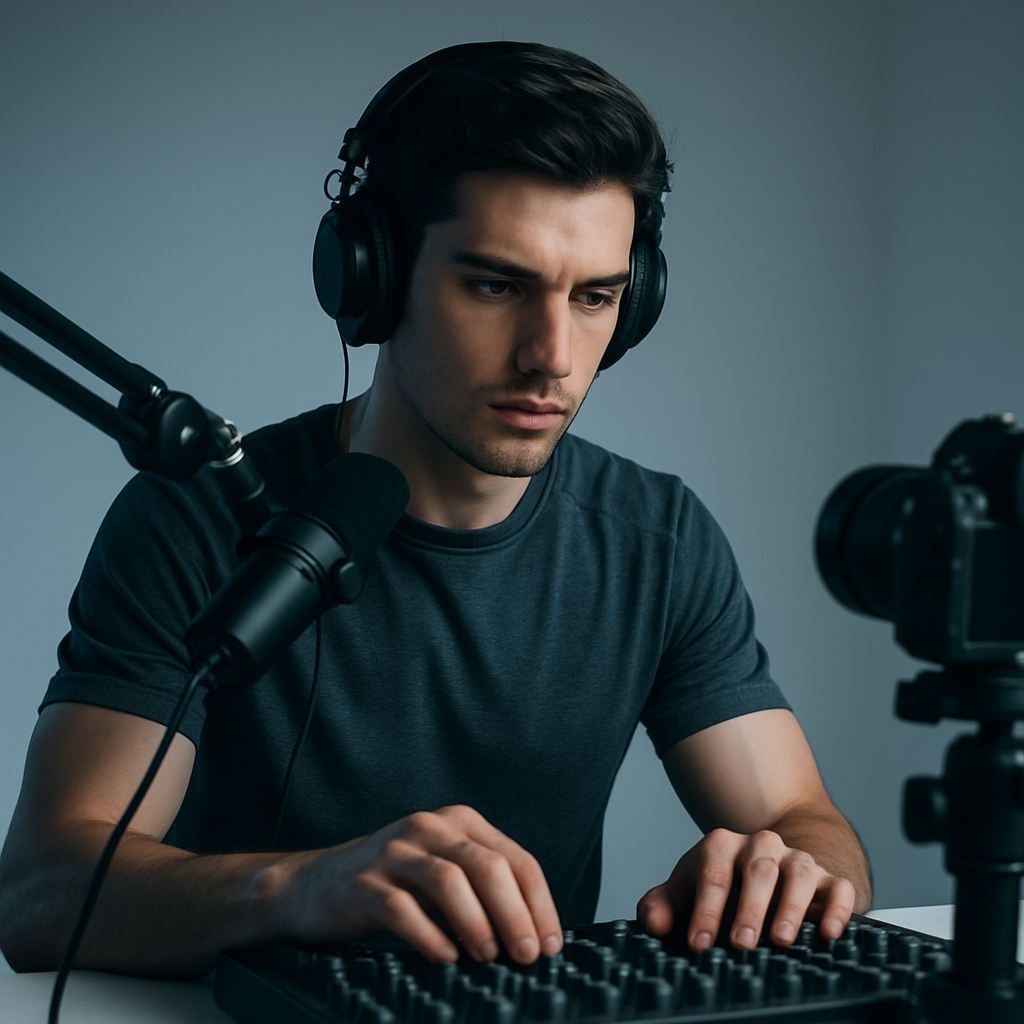
This topic is more relevant now than ever. People are communicating via video more and more often. Public livestreams have become commonplace. Some want to try their hand at hosting, while others simply want to share their thoughts. But without managing anxiety, those first steps often end in disappointment. You turn on the camera, and instead of a confident voice, what comes out are stammered phrases. Viewers sense the insincerity and quickly lose interest.
This is especially noticeable in practice: those who manage their fear get more engagement, donations, and enjoyment from the process itself. And those who don’t address their anxiety often give up on streaming after just a few attempts.
Main Risks and Dangers
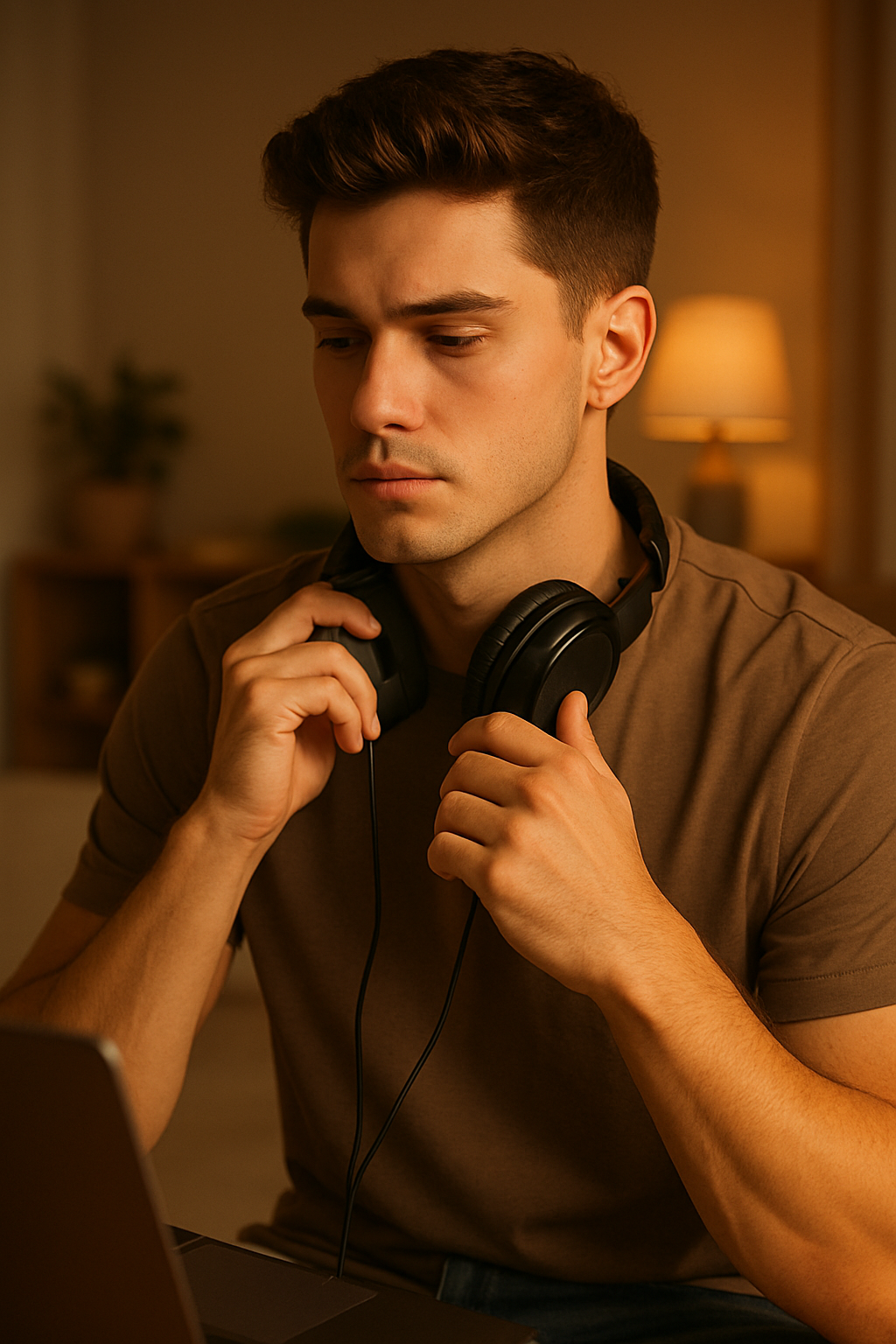
- Anxiety can grow over time — turning from mild nervousness into full-blown panic. At that point, streaming is the last thing on your mind — you just want to close your laptop.
- Fear is contagious. If you’re nervous, your viewers can tell. The atmosphere turns sour; instead of lighthearted conversation, there are awkward silences and a loss of interest.
- Some people try to “drown out” their anxiety with alcohol or energy drinks. Their voice becomes slurred, and their thoughts get even more jumbled. This always ends badly.
- You start avoiding live streams: “Not now, later.” Months go by, and your desire remains unfulfilled.
- Physical symptoms: shaky hands, dry mouth, dizziness. This makes it hard to host a stream normally; viewers notice, and the ratings drop.
How to Manage Anxiety the Right Way — Step by Step
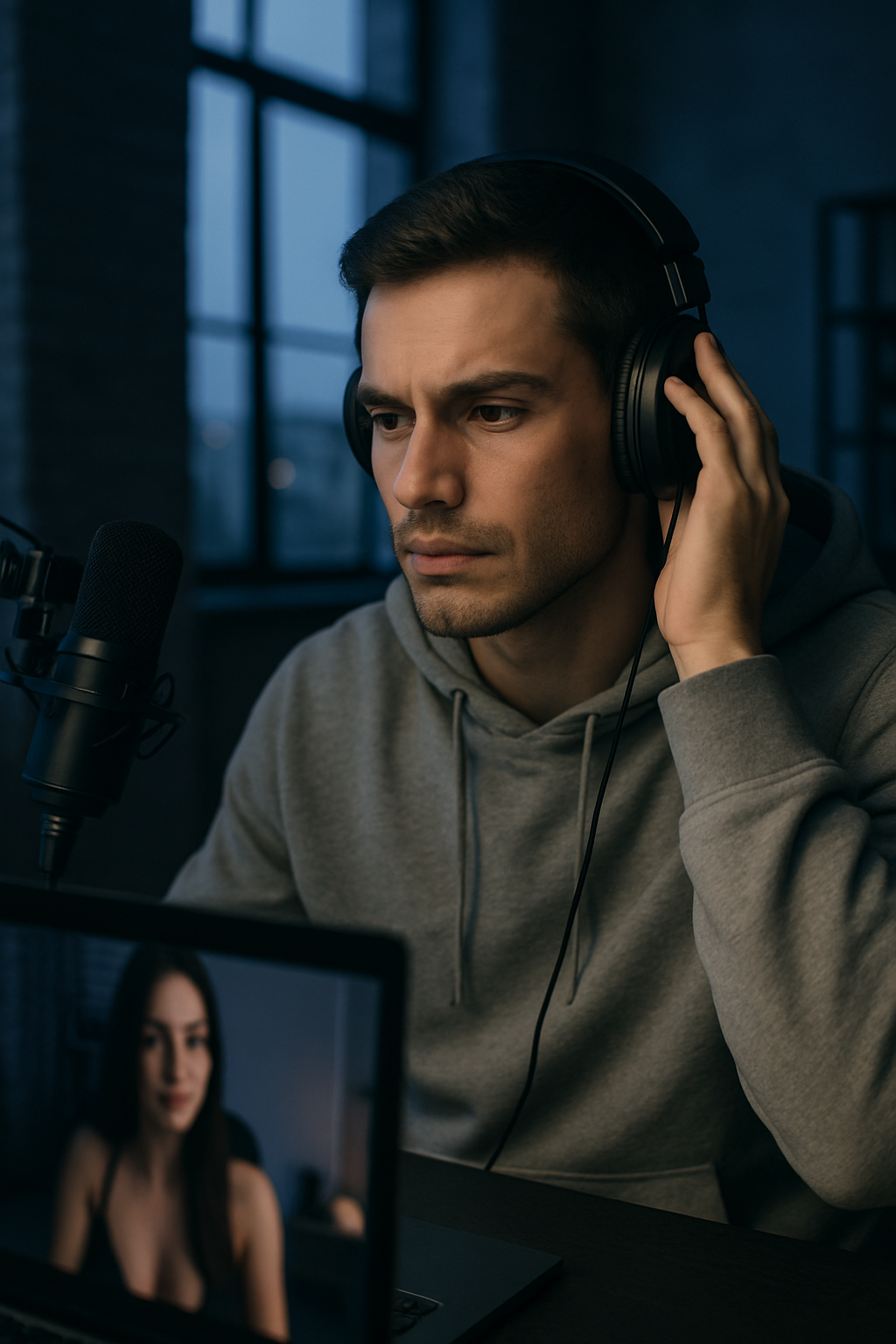
The most important part is practice, not theory. Here are specific steps you can take starting today. It’s all simple, with no complicated terms.
- The day before the broadcast. Choose a topic you know well. Jot down 3–4 key points on a piece of paper. Don’t memorize them word for word — just keep them in mind. This reduces the fear of “what should I say?” Many people do this and find that their nervousness is cut in half.
- One hour before the broadcast. Find a quiet place. Sit down and close your eyes for a minute. Breathe slowly: inhale for a count of 4, exhale for a count of 6. This simple technique is great for slowing your heart rate. Many people think it’s nonsense until they try it — and then they say, “It works.”
- 10 minutes before. Check your equipment: camera, lighting, sound. Nothing should distract you. If something isn’t right — fix it right away. Minor glitches during the broadcast only increase your anxiety.
- 5 minutes before. Stand up, walk around, and stretch your shoulders. Say out loud to yourself, “I’m ready. Everything will be fine.” Not “I have to be perfect” — just “I’m ready.” This really shifts your mindset.
- During the broadcast. If anxiety hits — pause for a second. Take a deep breath. Look into the camera as if you’re speaking to one person, not a whole crowd. This greatly reduces the pressure.
Pros and Cons
Pros: quick results even after the first try, no special equipment required, works anywhere, makes the broadcast feel much more natural and enjoyable.
Cons: You need to practice regularly to get used to it; it may feel strange at first; it doesn’t eliminate anxiety 100%, but it makes it much more manageable.
Common Mistakes
- Ignoring preparation and hoping for the best
- Thinking too much about the audience instead of yourself
- Forgetting to breathe — and then getting flustered
- Comparing yourself to other hosts
- Trying to be perfect instead of being natural
Tips That Help
Speak a little more softly at the beginning — it calms your voice. Don’t try to be loud and energetic right away. Keep your tone calm. The audience can sense this well.
Use humor. Even something lighthearted: “Guys, I almost turned off the camera because I was so nervous, but since you’re here, let’s keep going.” This lightens the mood and shows that you’re human, not a robot.
If your hands are shaking — hide them behind your laptop or hold a cup of tea. Don’t focus on it. Viewers rarely notice small details.
After the broadcast, be sure to give yourself some credit. Even if it wasn’t perfect: “I went on air. I pulled it off.” This is important. The brain remembers success, not fear.
Comparing Techniques
| Technique | Speed of Effect | Difficulty | Suitable for Beginners |
|---|---|---|---|
| Breathing 4–6 | 30 seconds | Very simple | Yes |
| Visualizing success | 5–10 minutes | Medium | Yes |
| Short Live Streams | Immediately | Simple | Yes |
| Record yourself in advance | 15 minutes | Medium | Yes |
FAQ

How can I quickly calm my nerves before a live broadcast?
Breathe using this pattern: inhale for 4 seconds, exhale for 6 seconds. This slows your heart rate in half a minute. Repeat this 5–6 times in a row.
What should you do if you start to panic during the broadcast?
Pause for a moment. Take a deep breath. Look into the camera and say a short phrase: “Guys, just a second, let me collect myself.” Most people understand this and are understanding.
Do you need to prepare your script in advance?
Not word for word. Three or four key points are enough. This gives you confidence without making your speech sound rehearsed or artificial.
How can I deal with the fear that everyone will notice my mistakes?
Understand this: the audience is made up of people, too. They often don’t even notice minor slip-ups. And if they do notice — that’s okay. You’re not a robot. Being natural is valued more than being perfect.
Can I use music or background noise to help me relax?
Yes, soft background noise helps a lot. But don’t overdo it. The main thing is that you feel comfortable and that it doesn’t distract you.
How long does it take to get used to live streams?
For most people, it takes 3–5 streams. After that, the anxiety becomes familiar and manageable. The key is consistency.
What should you do if your anxiety doesn’t go away even after preparing?
Start with very short 10-minute streams. Gradually increase the time. This works better than jumping straight into an hour-long stream.
How can you prepare your body, not just your mind?
Stretch your neck and shoulders. Drink some cold water. Don’t eat a heavy meal right before going live. When your body is calmer, your thoughts become calmer too.
Managing anxiety before public streams is a useful skill that only comes with practice. The key is not to wait for the perfect moment, but to start with the simplest steps. Breathing techniques, short streams, and proper preparation do the trick. This is especially noticeable on VibraGame: those who overcome their fear get more engagement, donations, and genuine enjoyment from the process. Try everything described above. The first time might feel awkward. The second time will be much better. And then you’ll be surprised at how easy and natural it all becomes. The main thing is to remember: you don’t have to be perfect. It’s enough to be yourself.